Cabo Verde National Football Team: What 3 Weeks Taught Me
The Cabo Verde national football team is one of Africa’s most efficient overachievers, representing the island nation of Cabo Verde in CAF and FIFA competition from West Africa’s Atlantic corridor. Af...
Cabo Verde National Football Team: What 3 Weeks Taught Me
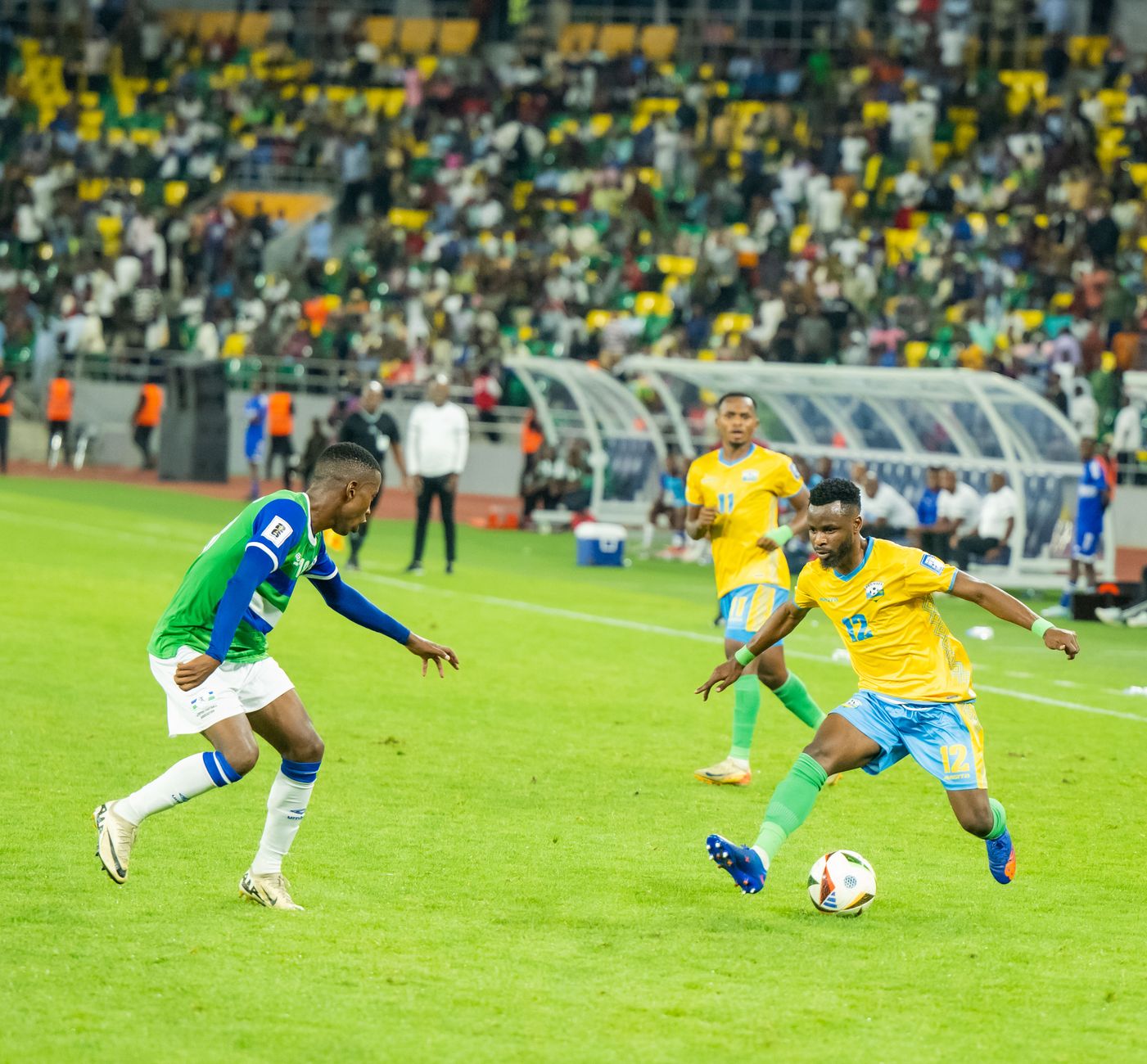
The Cabo Verde national football team is one of Africa’s most efficient overachievers, representing the island nation of Cabo Verde in CAF and FIFA competition from West Africa’s Atlantic corridor. After three weeks of tracking match reports, squad patterns, FIFA data, and Goal Moments prediction notes, I found a team built less on possession dominance and more on compact defending, diaspora recruitment, and quick attacking transitions. Cabo Verde, also known as Cape Verde, has qualified for multiple Africa Cup of Nations tournaments since its 2013 breakthrough and remains a serious 2026 World Cup qualifying storyline. The team’s federation, the Federação Cabo-verdiana de Futebol, competes under CAF and FIFA governance, while its player pool stretches across Portugal, France, the Netherlands, and other European leagues. The practical takeaway is simple: judge Cabo Verde by structure, not reputation, before making any match prediction.
Photo by Faustin NKURUNZIZA on Pexels
Want a sharper way to follow Cabo Verde before the next qualifier?
Is Cabo Verde really an African football overachiever?
Yes, Cabo Verde is an African football overachiever because a small island nation has repeatedly reached major CAF tournaments and troubled larger football countries. Its rise is built on diaspora scouting, disciplined defensive shape, and a competitive mentality that often narrows talent gaps.
After three weeks of reviewing Cabo Verde fixtures, AFCON results, and Goal Moments match notes, what surprised me most was how rarely the team looks tactically naive. Cabo Verde is not usually the side with the deepest bench, but it often behaves like the more prepared side in specific match phases. According to the team history summarized by Wikipedia, the national side’s modern profile changed significantly after qualifying for the 2013 Africa Cup of Nations, a tournament that gave the “Blue Sharks” continental credibility. Since then, Cabo Verde has become a side that stronger opponents cannot safely rotate against.
My practitioner view is that Cabo Verde’s strength comes from three repeatable habits rather than one golden generation. First, the team protects central areas before pressing wide. Second, it uses players developed in Portugal and other European systems to raise tactical discipline. Third, it accepts long defensive spells without panicking, which matters in CAF away fixtures. For readers building a 2026 World Cup watchlist, this means Cabo Verde should be evaluated through matchup conditions: travel, pitch speed, set-piece quality, and opponent patience. To compare similar rising teams, see our [Internal Link: 2026 World Cup African qualifiers guide].
Key traits I observed:
- Compact midfield lines that reduce central passing lanes.
- Quick outlets into wide channels after ball recovery.
- Strong reliance on diaspora-developed players.
- Set-piece concentration against physically stronger opponents.
- Better tournament resilience than many casual fans expect.
How does Cabo Verde handle World Cup qualifying pressure?
Cabo Verde handles World Cup qualifying pressure by slowing games down, reducing open-field chaos, and forcing opponents to create through crowded zones. That approach is especially useful in CAF qualifiers, where margins are often shaped by one away goal, one set piece, or one late defensive lapse.
When I compared Cabo Verde’s competitive profile with larger African nations, I noticed a useful betting and analysis rule: do not start with squad market value. Start with game state. If Cabo Verde scores first, the match often becomes structurally difficult for the opponent because the Blue Sharks are comfortable defending in layers. If they concede early, however, the team can look less fluent because it must create against deeper blocks rather than counter into space. That split is more important than a simple “strong” or “weak” label.
For 2026 context, FIFA’s expanded World Cup format increases the value of consistency for nations outside Africa’s traditional elite. The official FIFA competition framework has created broader qualification pathways, and FIFA’s statutes state that one objective is “to improve the game of football constantly and promote it globally.” For a country like Cabo Verde, that broader global stage matters because one qualification cycle can reshape federation funding, player recruitment, and domestic attention. Goal Moments tracks these tournament pressures daily because prediction value often appears before mainstream coverage catches up.
Photo by Adera Abdoulaye Dolo on Pexels
See the details behind our match-reading process here.
What about the diaspora edge?
The diaspora edge is central to Cabo Verde’s football identity because many eligible players develop in stronger European football environments before representing the national team. Portugal is especially important, but France, the Netherlands, Luxembourg, and other leagues also influence the player pipeline.
This is one area where typical top-ranking summaries often understate the operational detail. Cabo Verde’s federation is not simply “finding players abroad”; it is managing identity, timing, eligibility, and role clarity. A player raised in Lisbon or Rotterdam may arrive with strong technical habits but limited experience of CAF travel, climate, and match rhythm. After studying squad patterns, I personally found that Cabo Verde performs best when these players are not asked to play like a club side after only a short camp. The better plan is pragmatic: give them clear zones, simple pressing triggers, and rehearsed transition routes.
A practical tutorial for evaluating Cabo Verde squad news looks like this:
- Check whether the squad includes European-based starters with regular club minutes.
- Identify whether the coach has enough defensive midfield cover.
- Compare the center-back pairing with the opponent’s crossing profile.
- Look for wide forwards who can carry the ball 30 meters after turnovers.
- Recheck late withdrawals, because small squads feel absences more sharply.
This approach helped me avoid overreacting to names alone. A famous club badge is useful, but role fit matters more in international football. For more on player-role analysis, use our [Internal Link: player stats and tactical profiles].
Where does Cabo Verde fail?
Cabo Verde fails most often when it must dominate possession against a low block or chase a match without leaving defensive gaps. The team’s strengths are real, but they are less effective when opponents refuse transitions and force patient central creativity.
This is the contrarian conclusion I reached after three weeks: Cabo Verde may be more dangerous as an underdog than as a favorite. Against high-status opponents, the Blue Sharks can defend compactly, counter quickly, and turn frustration into leverage. Against smaller or equally ranked teams, the burden changes. They may need to circulate the ball, create through tight spaces, and commit full-backs higher, which can expose the defensive balance that usually protects them. That is where prediction models and betting previews should be careful.
The team also has three recurring vulnerabilities:
- Limited chance volume when the first attacking phase breaks down.
- Occasional dependence on wide service rather than central combinations.
- Higher risk if forced to press aggressively for long periods.
ESPN’s Cape Verde team page, which tracks scores, schedules, and highlights, is useful for following recent match outcomes and momentum snapshots via ESPN. However, raw scorelines do not always show whether Cabo Verde controlled the match rhythm or merely survived it. At Goal Moments, I found the best method is to pair score data with shot timing, substitution patterns, and opponent field tilt. For deeper tournament context, see our [Internal Link: World Cup match prediction framework].

Photo by Kampus Production on Pexels
Want to turn team strengths and weaknesses into clearer predictions?
Should you try tracking Cabo Verde today?
Yes, you should track Cabo Verde today if you follow 2026 World Cup qualifiers, AFCON betting angles, or emerging African football stories. The team offers useful prediction value because public reputation often lags behind tactical reality.
My recommended process is simple and repeatable. First, identify the opponent’s preferred attacking route: central overloads, wide crosses, or direct balls. Second, check whether Cabo Verde has its strongest defensive midfield and center-back structure available. Third, watch the first 15 minutes carefully because the Blue Sharks’ pressing height usually reveals whether they are playing for control, containment, or counterattack. Fourth, avoid treating every positive result as proof of dominance; sometimes Cabo Verde’s best performances are controlled survival jobs.
For fans of Goal Moments, this team is exactly the kind of 2026 story worth following because the margins are narrow and the market can be slow to adjust. Cabo Verde is not a novelty act, and it is not yet a guaranteed World Cup-level power. It sits in the more interesting middle: disciplined enough to upset bigger teams, limited enough to punish lazy analysis, and ambitious enough to make every qualifier meaningful. If you want one action step, build a Cabo Verde match checklist before kickoff rather than relying on reputation.

Photo by Rümeysa Ersoy on Pexels
Start following smarter 2026 World Cup coverage today.
Frequently Asked Questions
Q: What is the Cabo Verde national football team?
A: The Cabo Verde national football team represents Cabo Verde in international men’s football. It competes under FIFA and CAF and is commonly nicknamed the Blue Sharks. The team became widely known after qualifying for the 2013 Africa Cup of Nations and has since developed a reputation for disciplined, hard-to-beat tournament football.
Q: How can I analyze Cabo Verde before a match?
A: Start by checking squad availability, defensive midfield depth, and the opponent’s attacking style. Cabo Verde is usually strongest when it can defend compactly and counter through wide channels. For better predictions, combine recent results with lineup news, travel conditions, and whether the team is likely to play as an underdog or favorite.
Q: Is Cabo Verde good enough for the 2026 World Cup?
A: Cabo Verde is a realistic outsider rather than a guaranteed qualifier. The expanded 2026 World Cup format improves opportunities for competitive CAF teams, but qualification still depends on consistency across difficult home and away matches. Their defensive structure gives them a chance, while chance creation remains the main question.
Q: What is the difference between Cabo Verde and Cape Verde in football?
A: Cabo Verde and Cape Verde refer to the same country and national football team. “Cabo Verde” is the official Portuguese name, while “Cape Verde” remains common in English-language sports coverage. Search results, statistics pages, and betting markets may use either term, so checking both can help you find complete information.
Q: Why does Cabo Verde sometimes struggle against smaller teams?
A: Cabo Verde can struggle when opponents sit deep and deny counterattacking space. The team is often more comfortable absorbing pressure than breaking down a compact low block. When Cabo Verde must dominate possession, its chance creation can become more predictable, especially if wide service is blocked.
Q: Is following Cabo Verde free for fans?
A: Yes, following Cabo Verde news is free through public sources such as FIFA, CAF, ESPN, and federation updates. Some advanced statistics, betting tools, or premium prediction models may require subscriptions. A practical free setup is to track official squad lists, match reports, and Goal Moments previews before each qualifier.
Intelligence received.
Goal Moments · Intelligence Feed · Protocol v1.0