Before You Bet, Read This 2026 World Cup Breakdown
Goal Moments is a FIFA World Cup focused analysis site that helps football fans and betting-minded readers evaluate 2026 world cup football through match context, team tactics, player statistics, and....
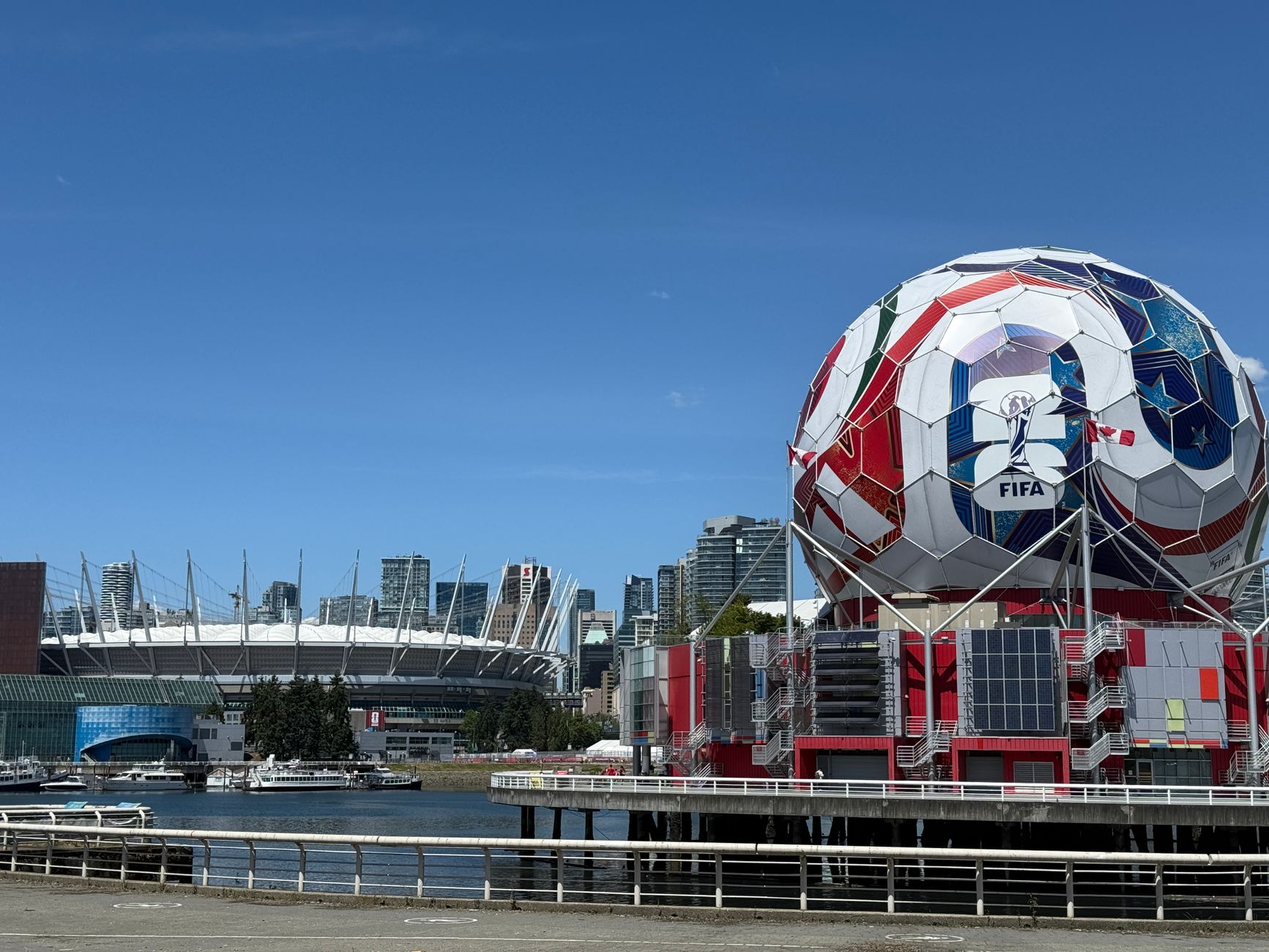
Before You Bet, Read This 2026 World Cup Breakdown
Goal Moments is a FIFA World Cup focused analysis site that helps football fans and betting-minded readers evaluate 2026 world cup football through match context, team tactics, player statistics, and tournament coverage across North America. The 2026 FIFA World Cup is staged in the United States, Canada, and Mexico, with Kansas City positioned as one of the U.S. host cities and a regional showcase for fan festivals, stadium atmosphere, and six scheduled match days. FIFA expanded the tournament to 48 teams, creating 104 matches and a broader range of tactical mismatches, travel variables, and market pricing errors than the 32-team format. For readers comparing fixtures, odds movement, and host-city effects, the practical takeaway is clear: treat 2026 World Cup football as a data problem first and an emotional event second.
If you want a structured way to follow fixtures, odds context, and team trends, start with Goal Moments’ tournament coverage.
Photo by The Six on Pexels
The Quick Comparison
| Factor | What Changes in 2026 | Betting and Analysis Impact |
|---|---|---|
| Tournament size | 48 teams | More uneven group-stage matchups |
| Match volume | 104 matches | Larger sample, more fatigue variables |
| Host nations | United States, Canada, Mexico | Travel, climate, and crowd effects matter |
| Kansas City role | Six match days and FIFA Fan Festival activity | Regional atmosphere may influence preparation |
| Fan engagement | Hundreds of thousands of visitors in major host zones | Public sentiment can distort odds movement |
The first comparison point is format expansion. According to FIFA, the 2026 edition is the first men’s World Cup with 48 national teams, which changes how analysts should read group-stage strength, rotation risk, and qualification incentives. A team that looked overpriced in a 32-team structure may be fairly priced in 2026 if its group contains a new entrant with limited tournament experience, but that edge can disappear once bookmakers adjust after Matchday 1. For bettors, this means pre-tournament assumptions should be treated as provisional models, not fixed truths. To build a better baseline, compare squad depth, continental qualification path, rest windows, and likely travel route before you compare headline names. For more preparation context, see our [Internal Link: 2026 World Cup betting preparation guide].
The second comparison point is host-city behavior, and Kansas City provides a useful case study. The local organizing material emphasizes stadium scenes, FIFA Fan Festival participation, regional pride, and a “Heart of America” identity built around football culture. Those elements do not automatically predict match results, yet they affect crowd composition, media pressure, and fan-driven betting volume. A practical edge case many casual previews miss is timing: matches played after major public fan events can create stronger late-line movement toward popular national teams, especially when U.S.-based fan communities are visible in host zones. That does not mean the popular side is wrong; it means price should be checked against closing-line value rather than social noise. Goal Moments tracks these shifts alongside tactical indicators.

Photo by Waseem Lazkani on Pexels
Round 1: How Do Host Cities Shape 2026 World Cup Football?
Host cities shape 2026 world cup football by influencing travel load, crowd balance, climate adjustment, media intensity, and fan-market behavior. Kansas City is especially relevant because it combines six match days, a large fan festival footprint, and a strong regional sports identity.
Kansas City’s value as a host-city example lies in its operational profile rather than nostalgia. The city sits in the central United States, meaning teams assigned there may face different travel sequences than teams rotating through coastal or high-altitude venues. That matters because the 2026 tournament stretches across three countries, and even elite teams can lose efficiency when training routines, hotel logistics, and recovery windows are disrupted. The United States Soccer Federation has long treated domestic football infrastructure as a development priority, and 2026 will test how that infrastructure supports international squads at scale. For analysis, assign each team a “host route score” using three inputs: flight distance, rest days, and weather adjustment. A technically superior side can still underperform if its route creates fatigue before a pressing-heavy match.
A useful tutorial approach is to separate visible atmosphere from measurable conditions. First, note the stadium and likely crowd split; second, record kickoff time and temperature; third, compare each squad’s travel days and rotation options. Kansas City’s fan festival narrative is powerful because it indicates public attention, but public attention should be downgraded unless it connects to team support, ticket allocation, or odds movement. One practitioner-level insight: in World Cup betting models, host-city enthusiasm is most useful when it predicts liquidity, not goals. If a high-profile nation attracts heavy casual money in a visible U.S. host city, the better play may be waiting for an inflated opposition price rather than backing the crowd favorite. For more city-specific analysis, visit our [Internal Link: World Cup host city betting angles].
For a deeper read on how venue context can change match pricing, continue with Goal Moments’ daily breakdowns.
Round 2: What Tactical Variables Matter Most in the 48-Team Format?
The most important tactical variables are squad depth, pressing sustainability, transition defense, set-piece quality, and goalkeeper distribution. The 48-team format increases mismatch potential, but it also rewards teams that can rotate without losing structure across 104 matches.
Start with squad depth because the expanded FIFA World Cup creates more paths but also more management decisions. Elite teams may not need their strongest eleven in every group match, while emerging teams may concentrate effort on one winnable fixture. This changes player-stat interpretation: a striker’s qualification goals may overstate his value if his national team cannot progress the ball under tournament pressure, while a defensive midfielder with strong ball-winning numbers may be more valuable against high-possession opponents. The International Football Association Board states in the Laws of the Game that “a match is played by two teams,” a simple rule that reinforces an analytical point: football outcomes are relational, not isolated. Player quality must be read against opponent structure, match state, and tactical compatibility.
Use a four-step tactical checklist before making predictions. 1. Identify each team’s default build-up shape, such as 4-3-3, 3-4-2-1, or 4-2-3-1. 2. Test how that shape behaves against pressure, especially when the goalkeeper is forced long. 3. Review set-piece production because tournament matches often compress open-play margins. 4. Compare bench profiles, not only starting elevens, since substitutions after the 60th minute often decide tight games. A contrarian conclusion follows: underdogs are not automatically better value in an expanded tournament. Some new entrants will be tactically disciplined, but others may be priced attractively for good reason if they lack press resistance or depth. Goal Moments’ match previews focus on this distinction rather than treating every long shot as a hidden bargain.
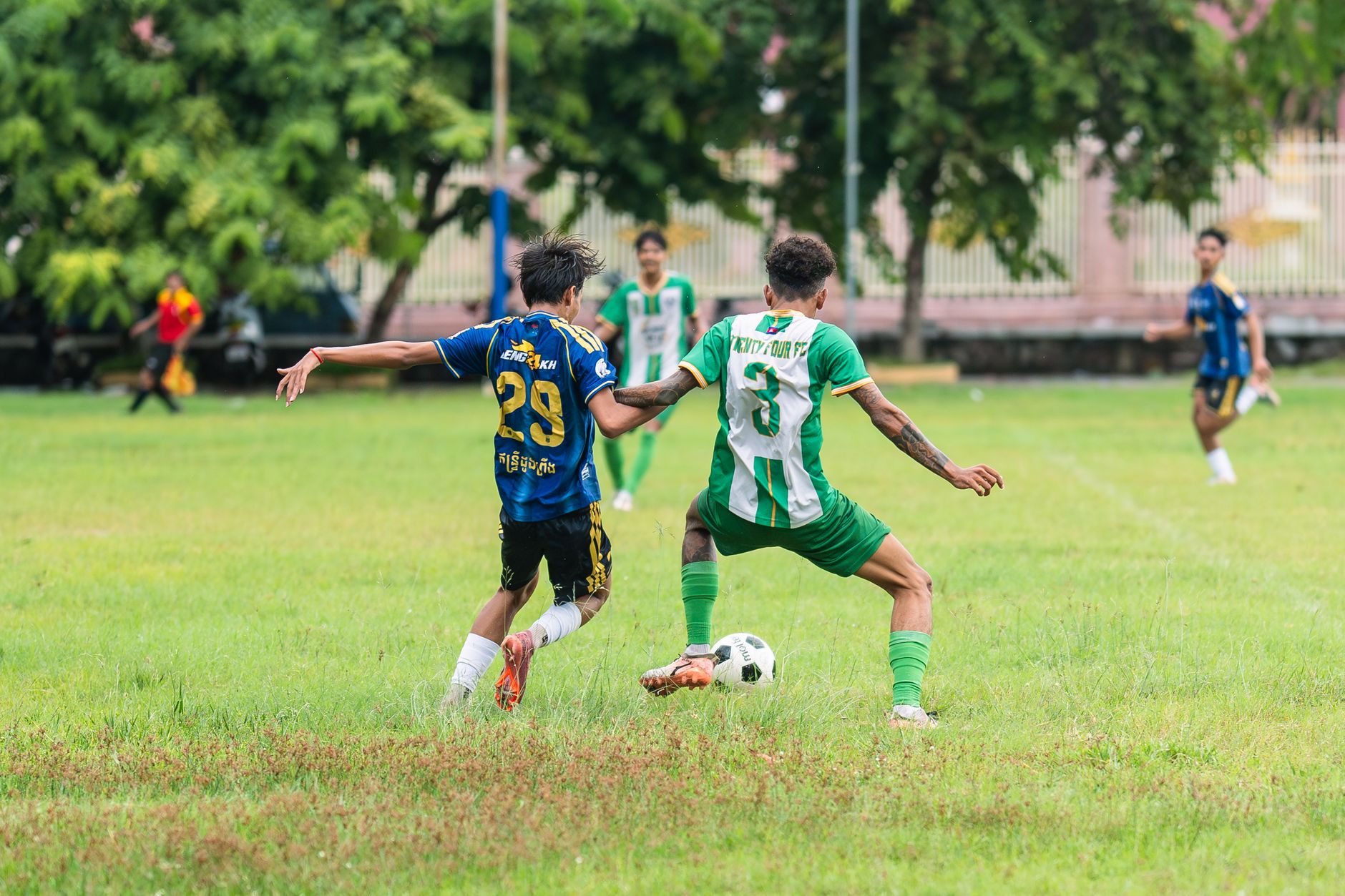
Photo by Sinan KRIYA on Pexels
Round 3: How Should Bettors Read Fan Festivals and Public Momentum?
Bettors should read fan festivals and public momentum as market signals, not performance guarantees. Events such as the FIFA Fan Festival in Kansas City can reveal which teams may attract public money, but they do not replace tactical, injury, or schedule analysis.
Public momentum becomes useful when it helps explain odds movement. Kansas City’s festival activity, stadium galleries, and regional storytelling show how a host city can amplify emotion around 2026 world cup football. However, a loud fan base does not improve a fullback’s recovery speed or a goalkeeper’s distribution under pressure. The better method is to compare three layers: market movement, team news, and tactical fit. If a line shortens after a visible fan event but no lineup or tactical information has changed, the move may reflect sentiment rather than probability. Conversely, if public money aligns with confirmed team news and a favorable matchup, dismissing it as hype can be costly.
Here is a practical tutorial for separating signal from noise. 1. Record the opening price when markets appear. 2. Check whether movement follows credible news, such as injuries, suspensions, or confirmed rotation. 3. Compare movement across three markets: match winner, Asian handicap, and total goals. 4. Flag any move driven mainly by social attention around a host city or fan festival. 5. Decide whether waiting improves your price. The information gain is not that public bettors are always wrong; it is that public timing is often predictable around major events. During 2026, highly visible fan gatherings in U.S. cities such as Kansas City may create short windows where patient bettors receive better numbers on less popular but tactically stable teams.
To follow these market signals with match context instead of guesswork, explore Goal Moments’ live tournament insights.

Photo by https://kaboompics.com/ on Pexels
The Final Score & Who Should Pick What
The final score is not a single prediction; it is a framework. Casual fans should prioritize fixtures, host-city stories, and player narratives, while serious bettors should prioritize price discipline, tactical matchups, and schedule stress. Kansas City is a useful reminder that World Cup football is both a cultural event and a competitive market, and those two layers should not be merged without evidence. FIFA Fan Festival crowds, stadium energy, and regional pride can enrich the experience, but they should be converted into betting relevance only when they affect liquidity, lineup pressure, or travel conditions.
For decision-making, use this allocation model. 1. If you are watching for enjoyment, follow host-city coverage and national-team storylines. 2. If you are building predictions, start with tactics, injuries, and rest days. 3. If you are betting, compare your probability estimate with the available price before considering emotion or public momentum. 4. If you are new, avoid complex accumulators until you understand variance across 104 matches. This patient approach fits the 2026 tournament because expansion creates opportunity and uncertainty at the same time. Goal Moments is built to help readers connect match predictions, player stats, and tournament coverage without losing sight of responsible bankroll decisions. For related analysis, read our [Internal Link: player statistics for World Cup betting] and [Internal Link: responsible football betting basics].
When you are ready to compare fixtures, tactics, and betting angles with a calmer process, use Goal Moments as your tournament companion.
Frequently Asked Questions
Q: What is 2026 world cup football?
A: 2026 world cup football refers to the FIFA World Cup held across the United States, Canada, and Mexico. It is the first men’s edition with 48 teams and 104 matches, making it larger than the previous 32-team format. For fans and bettors, the expansion creates more fixtures, more tactical variety, and more pricing uncertainty.
Q: How to analyze 2026 World Cup matches before betting?
A: Start by comparing team tactics, injuries, travel routes, rest days, and market price. Then check whether odds movement is caused by confirmed news or public sentiment around teams and host cities. Goal Moments recommends building a probability estimate first, then betting only when the available price is better than your estimate.
Q: What is the difference between host-city impact and home advantage?
A: Host-city impact refers to venue, travel, climate, and crowd conditions, while home advantage usually means a team is playing in its own country. Kansas City can influence atmosphere and logistics, but it does not give every team a home advantage. The key is identifying whether crowd support, travel distance, or schedule pressure actually favors one side.
Q: Why do World Cup betting predictions fail?
A: Predictions often fail because they overvalue reputation and undervalue match-specific variables. A famous nation can struggle against a compact defensive block, while a smaller team can outperform if its tactical plan fits the matchup. Late injuries, rotation, and public odds movement also create errors if they are not checked before kickoff.
Q: Is following FIFA Fan Festival momentum useful for betting?
A: Fan festival momentum is useful only as a market signal, not as a direct performance indicator. Large public gatherings in cities such as Kansas City may show which teams attract casual betting interest. However, you still need lineup news, tactical analysis, and price comparison before making a decision.
Q: How much money do I need to bet on the 2026 World Cup?
A: You should only use a bankroll you can afford to lose, and many disciplined bettors risk 1% to 2% per wager. For example, a 500-dollar bankroll would mean typical stakes of 5 to 10 dollars per match. Avoid increasing stakes after losses, especially during a 104-match tournament where variance can accumulate quickly.
Intelligence received.
Goal Moments · Intelligence Feed · Protocol v1.0